
"hourly wage"
200 article(s) found

World Coffee producer Puerto Rico Puerto Rico
In 1736, coffee trees were introduced from Martinique to Puertp Rico. Most of the early coffee was grown by immigrants from Corsica. By 1896, Puerto Rico was the sixth largest exporter of coffee in the world, with most coffee shipped to France, Italy, Spain and Cuba. Coffee farms flourished in the 19th century, but the rise of sugarcane and drug farming
Starting with coffee beans (15)-- America-- Puerto Rico
In 1736, coffee trees were introduced from Martinique to Puertp Rico. Most of the early coffee was grown by immigrants from Corsica. By 1896, Puerto Rico was the sixth largest exporter of coffee in the world, with most coffee shipped to France, Italy, Spain and Cuba. Coffee farms flourished in the 19th century, but the rise of sugarcane and drug farming
A brief introduction to the Flavor of American Puerto Rico Coffee beans,
In 1736, coffee trees were introduced from Martinique to Puertp Rico. Most of the early coffee was grown by immigrants from Corsica. By 1896, Puerto Rico was the sixth largest exporter of coffee in the world, with most coffee shipped to France, Italy, Spain and Cuba. Coffee farms flourished in the 19th century, but sugar cane and drug farming flourished

Introduction to the method of describing the taste and flavor of Puerto Rico coffee varieties
Yaocote's choice of coffee, which is grown only on three farms in the southwest of the island, is fragrant and has a long aftertaste. This kind of coffee is very expensive and its flavor is comparable to that of any other coffee variety in the world. In the Yauco area, the coffee is owned and operated by local planters. The mountain climate here is mild, and the plants have a long mature period (from October to February of the following year).

Introduction of high-quality coffee with complete flavor in Puerto Rico coffee manor
Yaocote chose coffee beans to be preserved in shells before they were shipped, and the skins were not removed until the order was shipped to ensure the best freshness of the coffee. Relevant U.S. government staff, such as FDA and USEA, will also be present when the goods are submitted, and they work to monitor producers' compliance with federal regulations. There are also some staff from the local evaluation committee, they
Introduction of Puerto Rico Puerto Rican Coffee beans
In 1736, coffee trees were introduced from Martinique to Puertp Rico. Most of the early coffee was grown by immigrants from Corsica. By 1896, Puerto Rico was the sixth largest exporter of coffee in the world, with most coffee shipped to France, Italy, Spain and Cuba. Coffee farms flourished in the 19th century, but the rise of sugarcane and drug farming

Puerto Rico Coffee Flavor Taste Estate Introduction Fine Coffee Bean Puerto Rico Coffee Bean Flavor
This coffee sells at a high price and its aroma rivals that of any other coffee variety in the world. In the Yauco region, the coffee is owned and operated by local planters. The mountain climate here is mild, the plants have a long maturity period (from October to February of the following year), and the soil is of high quality clay. Some of the older varieties of Arabica beans are grown here, although the yield is higher than other varieties.

China Coffee Network recommends coffee producing area Puerto Rico Greater Larez Yaoke Coffee Larez Coffee
In 1736, coffee trees were introduced from Martinique to PuertpRico. Most of the early coffee was grown by immigrants from Corsica. By 1896, Puerto Rico was the sixth largest exporter of coffee in the world, with most coffee shipped to France, Italy, Spain and Cuba. Coffee farms flourished in the 19th century, but the rise of sugarcane and drug farming
The coffee of Yocott, Puerto Rico is the best in the world.
Yaocote's coffee of choice was the best in the world in 1736, when the coffee tree was introduced from Martinique to Puertp Rico. Most of the early coffee was grown by immigrants from Corsica. By 1896, Puerto Rico was the sixth largest exporter of coffee in the world, with most coffee shipped to France, Italy, Spain and Cuba. Coffee farms flourished in the 19th century, but Gan
Coffee history Coffee trees were introduced to Puerto Rico from Martinique
Coffee trees were introduced to Puerto Rico from Martinique in 1736. Early coffee was mostly grown by immigrants from Corsica. By 1896, Puerto Rico was the sixth largest coffee exporter in the world, with most going to France, Italy, Spain and Cuba. Coffee plantations flourished in the 19th century, but sugar cane and drug cultivation rose

Yaocote chooses coffee to grow on three farms in the southwest of Puerto Rico.
Boutique coffee (specialty coffee) is also called specialty coffee selection coffee. It refers to coffee made from a small number of raw beans with excellent taste grown in an ideal geographical environment. Depending on the special soil and climatic conditions in which they grow, they have outstanding flavor. After strict selection and classification, this kind of coffee is hard in texture, rich in taste and stylish.

Can farmers sell whole coffee berries instead of beans? Is that better?
It is generally assumed that smallholders need to cooperate to collect, process, and trade directly harvested fruit in order to be competitive and profitable in the coffee industry. Smallholder farmers will never escape the cycle of brokered exploitation leading to poverty as long as they are not linked to certified cooperatives, testing laboratories, processing plants and import-export units. This view may be basically correct

Pure and fragrant Puerto Rican coffee grindability varieties characteristics of taste manor boutique coffee introduction
Yaocote chose coffee beans to be preserved in shells before they were shipped, and the skins were not removed until the order was shipped to ensure the best freshness of the coffee. Relevant U.S. government staff, such as FDA and USEA, will also be present when the goods are submitted, and they work to monitor producers' compliance with federal regulations. There are also some staff from the local evaluation committee, they
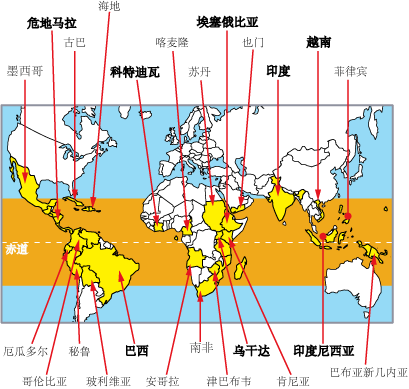
There are 53 coffee producing areas in the world. Puerto Rico Coffee.
In 1736, coffee trees were introduced from Martinique to Puerto Rico (Puertp Rico). Most of the early coffee was grown by immigrants from Corsica. By 1896, Puerto Rico was the sixth largest exporter of coffee in the world, with most coffee shipped to France, Italy, Spain and Cuba. 19th century coffee manor

Aromatic Puerto Rico Manor Coffee Flavor Description Processing Grindness Taste Introduction
Coffee trees were introduced to Puerto Rico from Martinique in 1736. Early coffee was mostly grown by immigrants from Corsica. By 1896, Puerto Rico was the sixth largest coffee exporter in the world, with most going to France, Italy, Spain and Cuba. Coffee plantations flourished in the 19th century, but sugar cane and drug cultivation flourished.
Introduction of Puerto Rican coffee flavor and taste introduction of high-quality coffee beans Puerto Rican coffee producing areas
Yaocote's choice of coffee, which is grown only on three farms in the southwest of the island, is fragrant and has a long aftertaste. This kind of coffee is very expensive and its flavor is comparable to that of any other coffee variety in the world. In the Yauco area, the coffee is owned and operated by local planters. The mountain climate here is mild, and the plants have a long mature period (from October to February of the following year).
Introduction to the origin of coffee-what is the quality of Puerto Rico coffee? Puerto Rico.
In 1736, coffee trees were introduced from Martinique to Puertp Rico. Most of the early coffee was grown by immigrants from Corsica. By 1896, Puerto Rico was the sixth largest exporter of coffee in the world, with most coffee shipped to France, Italy, Spain and Cuba. Coffee farms flourished in the 19th century, but the rise of sugarcane and drug farming

The flavor and taste of Puerto Rico boutique coffee beans the characteristics of the manor producing area Larez Yaoke Coffee
Yaocote chooses coffee beans to be preserved in shells before they are shipped and will not be peeled off until the order is shipped to ensure the best freshness of the coffee. Relevant U.S. government staff, such as FDA and USEA, will also be present when the goods are submitted, and they work to monitor producers' compliance with federal regulations. There are also some staff from the local evaluation committee, he

Fascinating Coffee Yaocote Coffee Puerto Rican Coffee
Boutique coffee has a strict grading system. Generally, raw beans are preserved in parchment coffee beans in the form of endocarp after processing, and the endocarp is removed before export. Go through a strict grading process to ensure the uniformity of quality. And it is very important to preserve the protection in the process of transportation, such as the control of temperature and humidity, the control of ventilation, avoiding odor adsorption and so on.

The historical development and specific introduction of the coffee producing area of Puerto Rico
Following Cafe (official Wechat account vdailycom) found that the Cafe Beautiful opened a small shop of its own and coffee trees were introduced to Puertp Rico from Martinique in 1736. Most of the early coffee was grown by immigrants from Corsica. By 1896, Puerto Rico ranked sixth in coffee exports in the world, with most coffee shipped to France, Italy and the West.